Choosing the best laptops for Python programming in Kenya starts with the size of your data and the libraries you run. For Python learners and developers, a good purchase needs to support scripts, notebooks and package environments. However, assuming the Python language itself determines one hardware requirement can send the budget in the wrong direction. The useful question is which complete configuration fits the work you actually expect to do.
This is a buying guide based on the product information available in the catalogue, with links to the relevant publisher or manufacturer. It is not a claim that we benchmarked every model. The product embeds show current listing details when you open the page. Also, any price comparison in the text is a dated snapshot, so confirm the exact unit and final quote before ordering.
Open the current catalogue listings
Open each listing for the current price, configuration and availability. Confirm suitability for your workload.
- Refurbished
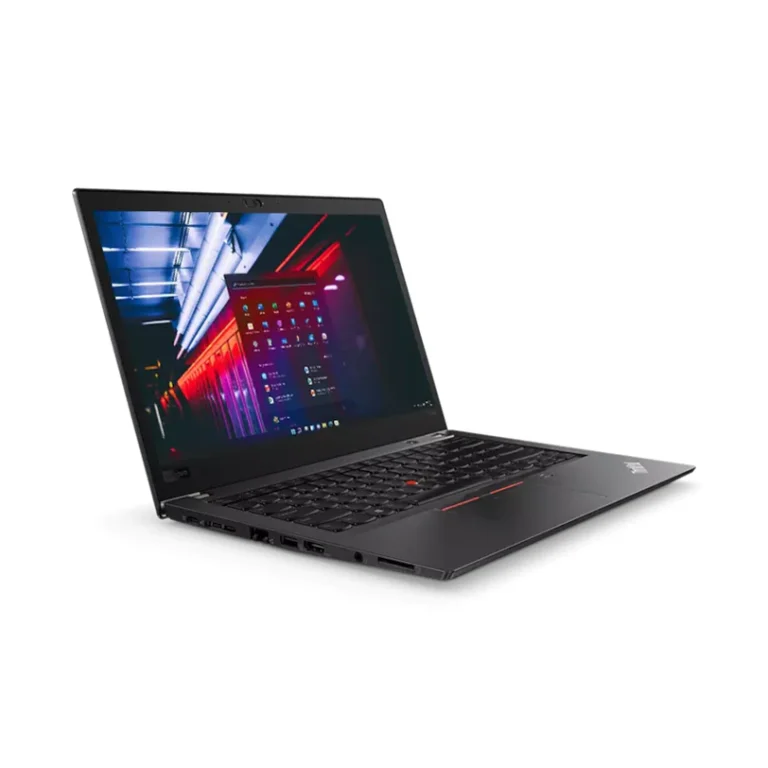
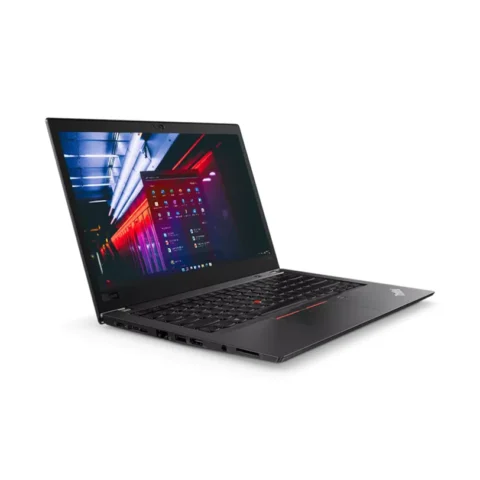
Lenovo ThinkPad T480s | i7 8th Gen | 16GB RAM | 512GB SSD
Core i7 8th Gen · 16GB · 512GB SSD · 14"
KSh 29,700In stock - Refurbished
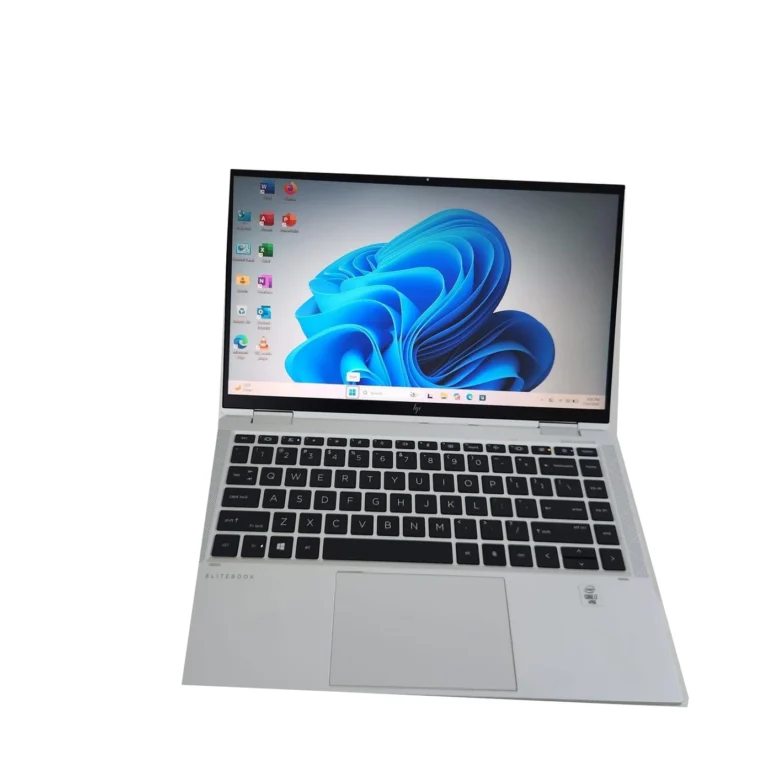
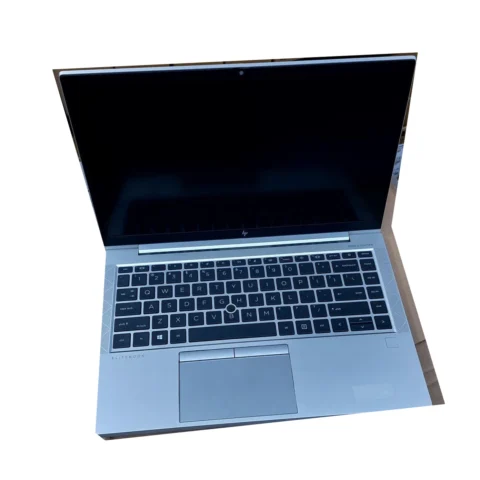
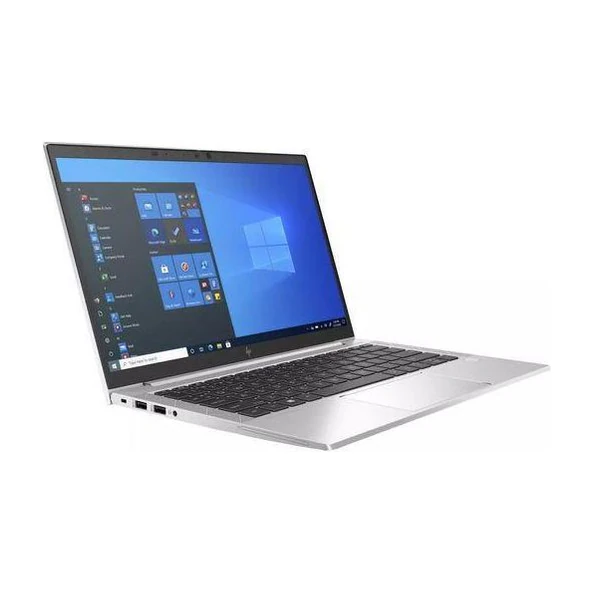
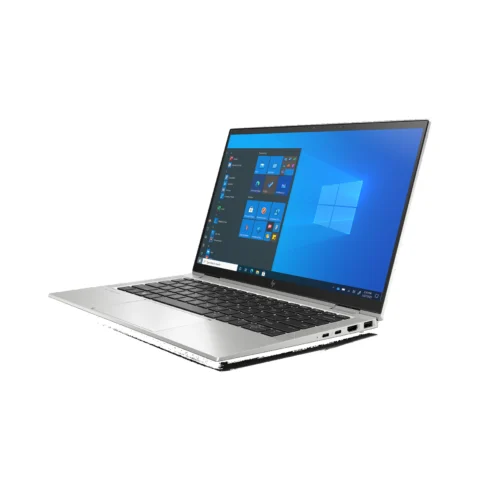
HP EliteBook 830 G8 | i7 11th Gen | 16GB RAM | 512GB SSD | Touch
Core i7 11th Gen · 16GB · 512GB SSD · 13.3" Touchscreen
KSh 46,440Only 2 left - Refurbished
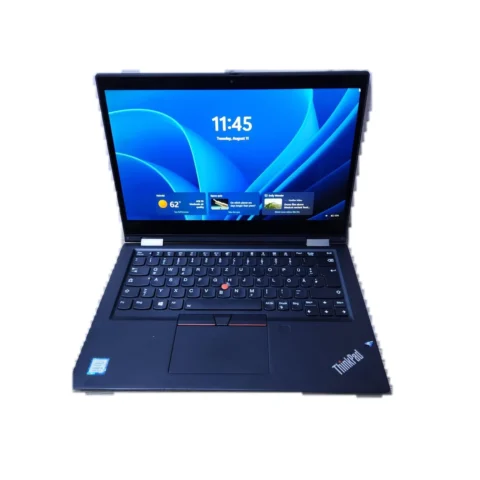
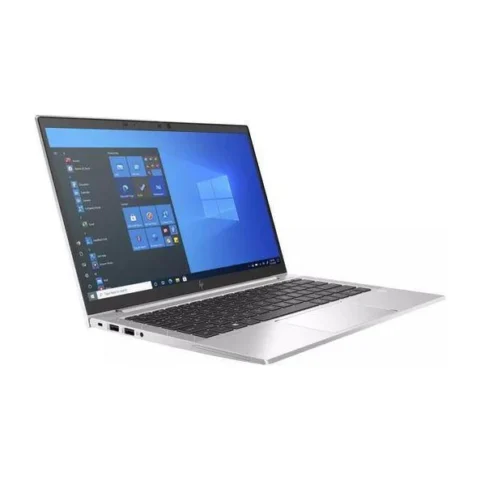
HP EliteBook x360 1030 G8 | i7 11th Gen | 32GB RAM | 512GB SSD | Touch
Core i7 11th Gen · 32GB · 512GB SSD · 13.3" Touchscreen
KSh 61,560Only 2 left
Best laptops for Python programming Kenya: the buying decision
Use the dataset size to choose a configuration
A code notebook can run comfortably while a larger in-memory dataset changes the requirement completely. Consider the original file, intermediate copies and libraries used during analysis. Measure a representative permitted workload where possible. Distinguish local analysis from cloud computing; a laptop used to submit remote jobs need not contain the hardware that performs those jobs.
Define the work before choosing a configuration
For Python learners and developers, the working session is scripts, notebooks and package environments. Start by listing the files, applications and connections that this involves. Then distinguish what must run at the same time from work you can do separately. The key purchasing criterion is the size of your data and the libraries you run. Therefore, the shortlist should answer that question before considering optional features.
Build an acceptance test around one concrete action: run a representative script with its real input data. Use a permitted sample rather than private client or institutional material. Also note the output you need to produce and any required application version. A seller can then discuss a specific workflow instead of making a vague promise that a laptop handles everything.
The mistake to avoid is assuming the Python language itself determines one hardware requirement. For example, completing one small task does not establish performance with a full working session. Instead, ask which limitation you would notice repeatedly while doing scripts, notebooks and package environments. That limitation provides a practical reason to spend more, choose another configuration or keep a less expensive option.
Set a practical specification target
For Python learners and developers, compare about 16GB RAM and 512GB SSD capacity as a starting point. These are buying targets, not official minimum requirements. The actual workload is scripts, notebooks and package environments, so increase or change the specification when the relevant application requires it. Conversely, do not spend more on a feature that leaves the size of your data and the libraries you run unresolved.
| Decision | What this guide prioritises |
|---|---|
| Main workload | scripts, notebooks and package environments |
| Memory comparison | 16GB starting point, adjusted to the real application |
| SSD comparison | 512GB starting point, adjusted to working-file size |
| Essential evidence | the size of your data and the libraries you run |
| Practical demonstration | run a representative script with its real input data |
| Complete-cost check | space for environments and datasets |
Turn your workload into an acceptance test
Before ordering, define a short test for scripts, notebooks and package environments. For example, identify a representative file, the tools that stay open beside it and the output you need to produce. Then decide what an unacceptable delay or limitation would look like. This is more informative than asking whether the laptop is simply fast.
Pay particular attention to the size of your data and the libraries you run. If a demonstration cannot establish that point, ask for the missing specification or evidence. However, keep any test proportionate and use authorised sample material. A few clear checks connected to your actual work tell you more than an unrelated benchmark number or a vague premium label.
Compare the listed units and the actual price difference
Use these catalogue entries to investigate the size of your data and the libraries you run. Their published specifications and prices identify what to compare; they are not benchmark results for scripts, notebooks and package environments. Open each listing and ask about any missing detail before treating it as a suitable choice.
HP EliteBook 830 G8
Open this HP EliteBook 830 G8 configuration. The listing describes Core i7, 16GB RAM and 512GB SSD storage. Its condition label is Ex-UK refurbished. The 26 November 2026 price snapshot was KSh 46,440. However, the product card is the place to check the current offer. Match this configuration against scripts, notebooks and package environments before comparing the price with another unit.
The stated memory meets our 16GB comparison starting point for this guide. That does not establish full application suitability. Also confirm the full processor model and operating-system support. The decisive question remains the size of your data and the libraries you run.
Lenovo ThinkPad T480s
Open this Lenovo ThinkPad T480s configuration. The listing describes Core i7, 16GB RAM and 512GB SSD storage. Its condition label is Ex-UK refurbished. The 26 November 2026 price snapshot was KSh 29,700. However, the product card is the place to check the current offer. Match this configuration against scripts, notebooks and package environments before comparing the price with another unit.
The stated memory meets our 16GB comparison starting point for this guide. That does not establish full application suitability. Also confirm the full processor model and operating-system support. The decisive question remains the size of your data and the libraries you run.
HP EliteBook x360 1030 G8
Open this HP EliteBook x360 1030 G8 configuration. The listing describes Core i7, 32GB RAM and 512GB SSD storage. Its condition label is Ex-UK refurbished. The 26 November 2026 price snapshot was KSh 61,560. However, the product card is the place to check the current offer. Match this configuration against scripts, notebooks and package environments before comparing the price with another unit.
The stated memory meets our 16GB comparison starting point for this guide. That does not establish full application suitability. Also confirm the full processor model and operating-system support. The decisive question remains the size of your data and the libraries you run.
What does the price gap actually buy?
Among these examples, the Lenovo ThinkPad T480s was listed at KSh 29,700, while the HP EliteBook x360 1030 G8 was listed at KSh 61,560. The snapshot difference was KSh 31,860. Compare their stated 16GB and 32GB memory configurations, storage and processor details. Then ask which difference improves scripts, notebooks and package environments. The gap is a comparison, not evidence of a saving or a measured performance increase.
Keep the complete cost inside the decision
Compare the complete quote for space for environments and datasets. For example, an attractive headline price can change once essential equipment or an upgrade is added. Ask for the items to be listed separately. This helps you distinguish a genuinely useful configuration from a cheap device that needs immediate additional spending.
Also decide which compromise you can live with. For Python learners and developers, the most important issue is often the size of your data and the libraries you run. Saving a small amount on a feature you use every day may be a poor trade. However, paying extra for an unused feature can reduce the budget available for a necessary accessory or backup.
Use official requirements and inspect the actual unit
Check Python documentation for the release, platform or model details that apply to your work. Then compare that documentation with the exact quoted configuration. In particular, the size of your data and the libraries you run needs its own evidence. Original model documentation describes a product design; it does not prove the present condition or installed parts of a used unit.
Also read our condition guide and ask for current unit photographs. Confirm the screen, hinges, keyboard and battery information, together with space for environments and datasets. For fulfilment, check the delivery information and agree the actual destination, charge and method. Keep the written warranty and the order details together.
Questions about this buying decision
Which detail would justify paying more?
For Python learners and developers, pay more when the change directly improves scripts, notebooks and package environments or resolves an essential requirement. For example, compare the size of your data and the libraries you run before paying for a cosmetic feature. However, confirm the benefit with the exact specification or an appropriate test. A more expensive model name alone does not establish a better result.
What should I ask the shop to demonstrate?
Ask whether you can run a representative script with its real input data. State which software version, files and connections you intend to use. Then ask for the missing detail if a demonstration is not available. Also, use permitted samples and avoid sharing confidential information. A clear test makes the conversation about scripts, notebooks and package environments much more useful.
Should I accept a different configuration if stock changes?
Only after checking whether the replacement still supports scripts, notebooks and package environments. In particular, assuming the Python language itself determines one hardware requirement is a reason to slow down and compare the change. Save the replacement specification and complete quote before agreeing. If your original platform, model or budget is essential, ask for a matching option rather than assuming an alternative is equivalent.
Build your shortlist and confirm the complete order
For the best laptops for Python programming in Kenya, use the live product embeds as a way to investigate the size of your data and the libraries you run. Next, compare two complete quotations, including space for environments and datasets. The Laptop Finder can narrow the current catalogue. Finally, send the product links and your working requirements through the contact page before deciding.
For the related decision, read buy laptop online Kenya. Compare its criteria with your own tasks instead of assuming every buyer needs the same configuration.